
Article
Tuttnauer Autoclaves for Doctors: Choosing the Right Model for Your Practice
Jul
In today’s healthcare environment, the risks of cross-contamination and increasing regulatory standards necessitate high-performance medical sterilization devices.
Autoclaves play a crucial role in maintaining a sterile environment. Whether you’re running a private clinic, dental office, or surgical center, reliable sterilization is non-negotiable.
That’s where Tuttnauer autoclaves come in. Backed by more than 95 years of innovation, Tuttnauer is the global leader in sterilization technology. With advanced features, dependable build quality, and a wide range of models, Tuttnauer sets the standard for industrial autoclave options.
If you’re a doctor or equipment buyer, this sterilization equipment guide will help you find the perfect model for your practice.
Understanding Autoclave Classifications
Understanding how autoclaves are classified can help you narrow down the right model for your healthcare setting. The classification depends on the type of instruments used and the method of sterilization required.
Below are the three main categories of autoclaves, along with their intended uses.

Class N Autoclaves
Class N autoclaves are often the entry point for many private practices. They are best suited for basic sterilization needs, offering simplicity without sacrificing reliability.
The key benefits and limitations of Class N autoclaves are outlined below.
- Basic gravity displacement
- Suitable for unwrapped solid instruments
- Ideal for small or single-practitioner clinics
Class S Autoclaves
Class S autoclaves offer more flexibility than basic Class N units, making them suitable for a wider range of instruments. These models are ideal for practices that regularly sterilize wrapped tools and porous materials. Below are the core capabilities that define Class S autoclaves:
- Mid-range performance
- Accommodates wrapped items and porous loads
- Includes closed-door drying features
Class B Autoclaves
Class B autoclaves represent the highest standard in sterilization performance. They are designed for busy practices that handle a variety of complex and wrapped instruments.
The following features explain why Class B units are often the top choice for modern clinics:
- Advanced sterilization with pre- and post-vacuum cycles
- Best for complex instruments and high-throughput practices
- Meets the highest international standards
Factors to Consider When Choosing an Autoclave
Before making a purchase, it’s essential to consider how your specific clinical environment influences your sterilization needs. Not every autoclave is suited for every practice type or workload. Making the right decision begins with understanding how various factors shape autoclave performance.

Sterilization needs can vary depending on your:
- Clinic’s workflow
- Patient load
- Instrument types
Your choice of Tuttnauer Autoclave depends on several key factors.
Practice Size and Volume
Different healthcare settings have vastly different sterilization needs, depending on the type and volume of procedures performed. A solo practitioner in a small family clinic may only need to sterilize a few basic instruments daily, while a multi-doctor surgical center handles a high turnover of complex, wrapped instruments across multiple departments.
These differences mean that not every autoclave can serve every setting as it should. Practice size and daily instrument usage should drive your decision when comparing autoclave sizes and capabilities.
It’s important to note that:
- Small clinics need compact models
- High-volume surgical centers need robust, fast machines
Chamber Size and Tray Capacity
The chamber size affects the number of instruments you can process simultaneously and the frequency of sterilization cycles required throughout the day. A unit that’s too small may create bottlenecks, forcing staff to delay patient care while waiting for instruments to finish sterilizing.
On the other hand, an oversized autoclave can take up valuable workspace and use more resources than necessary. Consider your daily load to select a chamber size that matches your efficiency needs.
Cycle Time and Efficiency
Efficiency in sterilization significantly impacts your clinic’s ability to see more patients, avoid scheduling delays, and maintain a steady workflow. Fast, reliable cycles can be the difference between meeting your daily targets or falling behind due to equipment bottlenecks.
Choosing an autoclave with optimized cycle durations and performance helps:
- Reduce instrument downtime
- Improve staff workflow
- Enhance overall productivity
The following features support higher productivity and faster workflows:
- Faster cycles mean quicker turnaround and smoother workflow
- Automatic drying and customizable programs enhance productivity
Connectivity and Traceability
In today’s digital age, having traceable sterilization records is just as important as performing the process itself. Electronic recordkeeping not only supports internal accountability but also streamlines regulatory inspections and accreditation audits. Clinics operating under tight compliance mandates benefit from smart autoclaves equipped with connectivity features, allowing them to centralize data and track every sterilization cycle.
Here are the connectivity features that modern Tuttnauer models can offer:
- Models with T-Connect allow remote monitoring and digital recordkeeping
- Improvement with audit compliance and data tracking
Compliance and Certifications
Regulatory compliance is a non-negotiable aspect of any medical or dental practice. With healthcare regulations becoming more stringent, it’s essential to choose equipment that consistently meets high safety and sterilization benchmarks.
Selecting an autoclave that adheres to internationally recognized standards not only protects patients but also shields your practice from legal and operational risks. The certifications held by Tuttnauer autoclaves underscore their commitment to quality and reliability:
- All Tuttnauer models meet FDA, CE, and ISO standards
- Certification ensures you’re inspection-ready
Top Tuttnauer Autoclave Models for Medical Practices
Selecting the right autoclave means understanding which model best matches your workflow and patient volume. Tuttnauer offers a range of units tailored to meet the specific needs of various clinics and workloads.
Below, we break down the top six Tuttnauer autoclaves for different clinical settings.
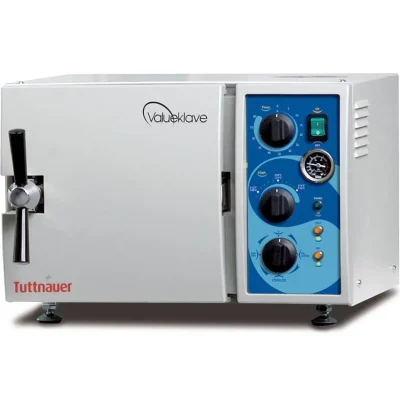
1. Tuttnauer 1730 Valueklave Manual Autoclave ($1,090.00)
The Tuttnauer 1730 Valueklave is a favorite among solo practitioners and small practices. It delivers fast sterilization cycles in a compact, space-saving design.
This entry-level unit is ideal for clinics that need efficient yet affordable sterilization without compromising reliability. It’s best for small practices with light sterilization needs.
Pros:
- Fast 11-minute cycle
- Compact and affordable
- Reliable manual operation
Cons:
- Limited to smaller loads
- No automation or connectivity
2. Tuttnauer 2540M Manual Autoclave
The Tuttnauer 2540M offers a step up in chamber size and performance while maintaining the simplicity of manual operation. It’s a reliable choice for general practices that need a daily-use sterilizer capable of handling moderate instrument loads.
Its durability and ease of use make it an excellent long-term investment for busy medical offices. This model is ideal for general practices that require a versatile manual sterilizer.
Pros:
- Larger chamber (10″ x 19″)
- Simple, durable design
- Reliable daily operation
Cons:
- Manual controls require more oversight
- No advanced features
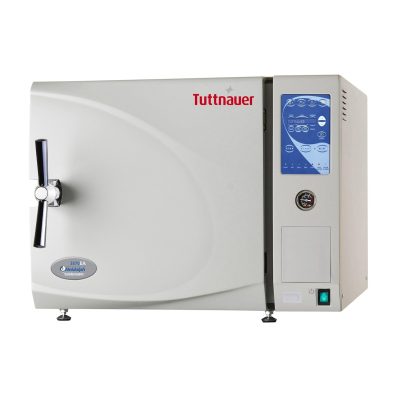
3. Tuttnauer 3870EA Fully Automatic Autoclave ($2,795.00)
The Tuttnauer 3870EA is a powerhouse sterilization solution for high-volume medical environments. Its fully automatic operation streamlines sterilization from start to finish, freeing up staff to focus on patient care.
With one of the largest chamber sizes in its class and advanced programmable features, it’s built for practices that demand both performance and productivity. It is best for surgical centers and high-throughput environments.
Pros:
- Large 15″ x 30″ chamber
- Fully automatic cycles
- Includes T-Connect monitoring
- Efficient drying and programmable settings
Cons:
- Requires more space
- Higher upfront investment
4. Tuttnauer 3870M Manual Autoclave
The Tuttnauer 3870M is a robust and dependable option for practices that require large-volume sterilization but prefer hands-on control. It combines the high capacity of an advanced unit with the simplicity of manual operation, making it a go-to for clinics that don’t need automation but still demand power. Its rugged construction and generous chamber size make it suitable for:
- Dental offices
- Outpatient surgical centers
- Specialty clinics with steady instrument loads
Pros:
- Same large chamber as 3870EA
- Rugged, heavy-duty design
Cons:
- Slower manual cycles
- More operator attention needed
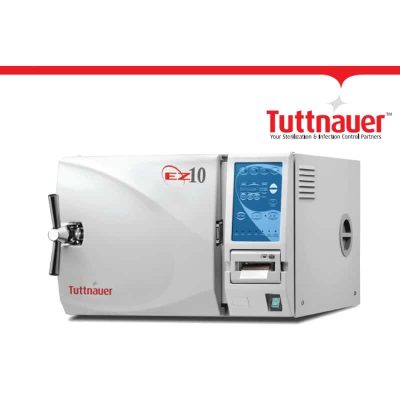
5. Tuttnauer EZ10 Automatic Autoclave ($2,340.00)
The Tuttnauer EZ10 is a smart and compact solution for clinics that prioritize ease of use, advanced sterilization, and efficiency. It features an automatic system capable of delivering Class B sterilization, making it perfect for busy clinics with demanding patient schedules.
The EZ10’s modern interface, fast cycles, and optional T-Connect integration offer seamless documentation and regulatory compliance, all within a space-saving footprint. This model is perfect for clinics wanting advanced features in a compact size.
Pros:
- Automatic Class B cycles
- 10″ chamber
- Modern digital interface
- Optional printer and T-Connect
Cons:
- Mid-range price
- Not ideal for very large practices
6. Tuttnauer 2340M Manual Autoclave ($2,110.00)
The Tuttnauer 2340M is a reliable and affordable manual autoclave designed for clinics that need steady performance without unnecessary complexity. It’s a practical choice for practices with moderate instrument loads, offering a balance between chamber capacity and space-saving design. This model is especially appealing to those looking for straightforward operation and long-term durability without the higher price tag of automated units.
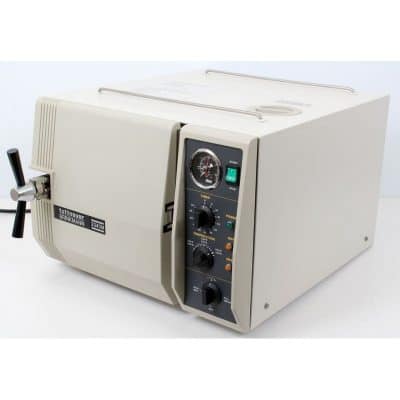
Pros:
- Medium-sized chamber (9″ x 18″)
- Dependable and easy to maintain
Cons:
- No digital display or automation
Comparing Key Features
Choosing between Tuttnauer autoclave models becomes easier when you compare their core specs side by side. Each model serves a specific type of clinic based on volume, workflow, and technological needs.
Below is a breakdown of key features to guide your selection.
Tuttnauer 1730 Valueklave:
- Chamber size: 7″
- Operation type: Manual
- Class: N
- Connectivity: No
- Ideal for: Small Practices
Tuttnauer 2540M:
- Chamber size: 9″
- Operation type: Manual
- Class: N
- Connectivity: No
- Ideal for: General Clinics
Tuttnauer 3870EA:
- Chamber size: 15″ x 30″
- Operation type: Automatic
- Class: B
- Connectivity: Yes
- Ideal for: High-Volume Centers
Tuttnauer 3870M:
- Chamber size: 15″ x 30″
- Operation type: Manual
- Class: N
- Connectivity: No
- Ideal for: Large Manual Operations
Tuttnauer EZ10:
- Chamber size: 10″
- Operation type: Automatic
- Class: B
- Connectivity: Yes
- Ideal for: Efficient Practices
Tuttnauer 2340M:
- Chamber size: 10″
- Operation type: Manual
- Class: N
- Connectivity: No
- Ideal for: Moderate Volume
Autoclave Maintenance Tips and Support
Proper care extends the lifespan of your autoclave. Regular upkeep prevents unexpected breakdowns and ensures instruments are always sterilized to the highest standard. Neglecting routine maintenance can lead to costly repairs and pose risks to patient safety.
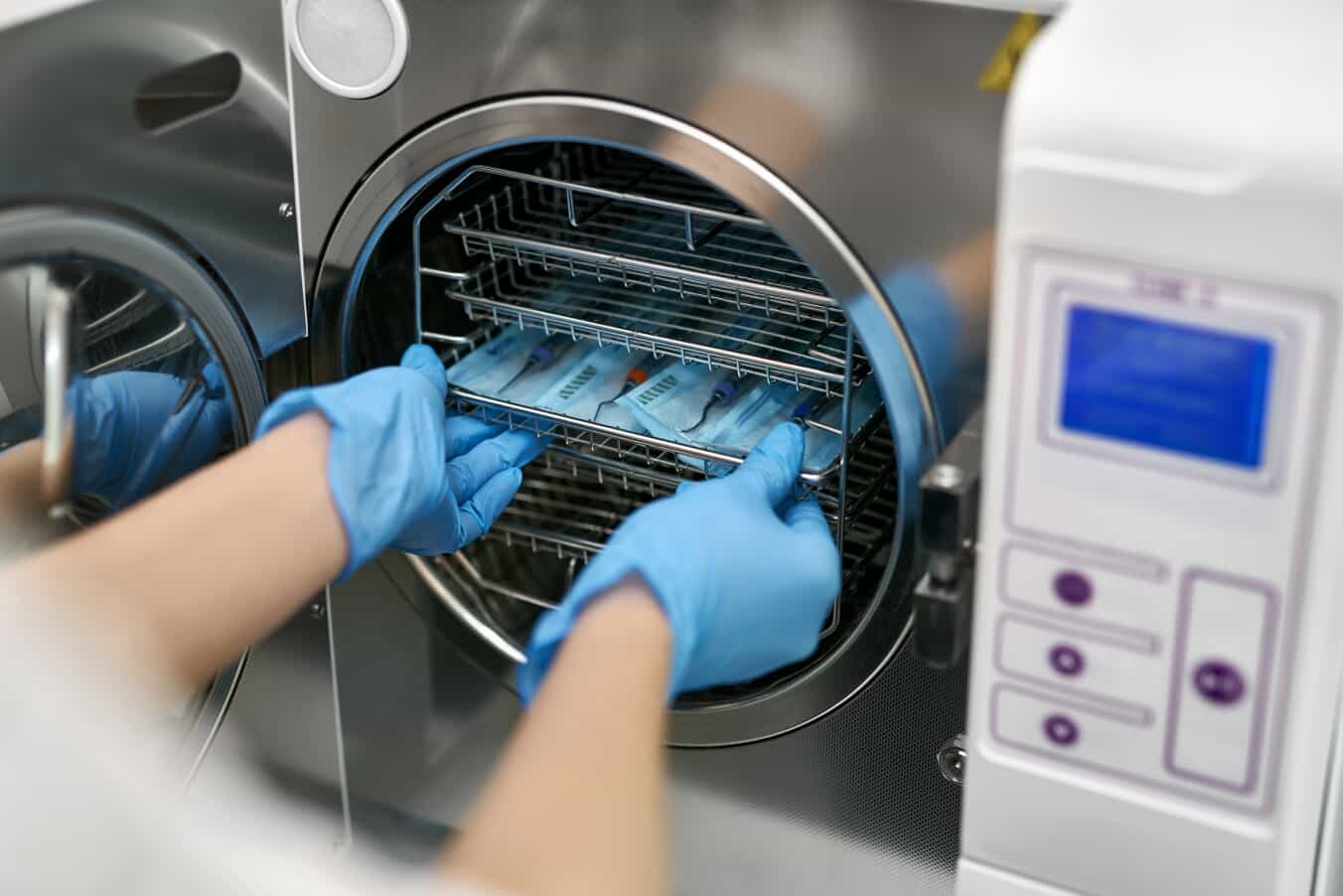
Following basic autoclave maintenance tips ensures optimal performance and fewer service interruptions.
Daily maintenance:
- Wipe chamber and trays
- Drain water reservoir regularly
Weekly maintenance:
- Clean the chamber with non-abrasive cleaner
- Inspect door gasket for wear
Monthly maintenance:
- Descale and clean internal components
- Check for unusual noises or cycle errors
Troubleshooting basics:
- Error codes can indicate seal leaks or heating issues
- Regular calibration prevents cycle inaccuracies
Tuttnauer autoclaves come with robust technical support, ensuring your equipment continues to perform at peak efficiency.
Cost vs. Value: Investing in the Right Sterilization Solution
Choosing a Tuttnauer autoclave isn’t only about cost. It’s about making a smart, long-term investment in your clinic’s success. While budget-friendly units may reduce initial expenses, they often come with hidden trade-offs like:
- Slower cycle times
- Higher maintenance needs
- Potential compliance failures
Lower-end models may save money upfront, but they can lead to:
- Downtime
- Repair costs
- Compliance risks
Tuttnauer units are known for:
- Long-term durability
- Minimal maintenance needs
- High resale value
Investing in a quality autoclave ensures:
- Smoother day-to-day operations
- More consistent sterilization outcomes
- A reduced risk of equipment failure during critical moments
These benefits extend beyond the equipment itself. They influence the overall flow and safety of your clinical environment. Staff can work more confidently knowing their sterilization process is both efficient and compliant.
Why Sonoran Surplus Is the Right Partner
Do you need a dependable source for high-quality autoclaves? Turn to Sonoran Surplus, a leading provider of rigorously inspected and professionally refurbished medical equipment. With a proven track record of helping healthcare facilities save on costs without compromising quality, Sonoran Surplus ensures that every autoclave meets high-performance and compliance standards.

Based in the U.S., Sonoran Surplus is known for:
- Factory-tested equipment with warranty
- Up to 70% savings over new devices
- Quick shipping and worldwide delivery
- Extended warranty and calibration support
- Flexible options including rent-to-own
Every Tuttnauer autoclave sold by Sonoran Surplus is carefully inspected, aligned, and refurbished to meet the highest standards. Most units are only a few years old and include accessories, manuals, and expert guidance.
Conclusion: Upgrade Your Practice With Tuttnauer Autoclaves Today
Reliable sterilization protects your patients, your staff, and your reputation. Choosing Tuttnauer autoclaves that are a right fit helps you stay compliant, efficient, and confident in your equipment.
Sonoran Surplus makes it easy to find and purchase the best model for your workflow. With competitive pricing, fast delivery, and a full-service support team, we help you save money without sacrificing quality.
Explore our full lineup of Tuttnauer autoclavesnow and get expert help finding the model that’s right for your practice.
Author


 English
 Spanish
 German
 French
 Portuguese
 Dutch
Dutch